
Pinned: No reporting location set
Search a US street address, a city and state, a ZIP code, or latitude, longitude. Lookup by US Census ↗ and OpenStreetMap ↗; confirm the pin at your actual reporting location.
Check a stop
Distance and a yes/no on the 150-air-mile test show up here. The test is straight-line distance from the reporting location, never road miles.
Nearby towns
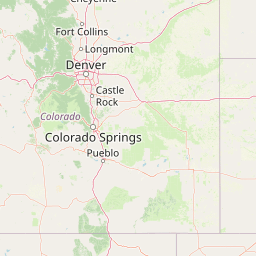
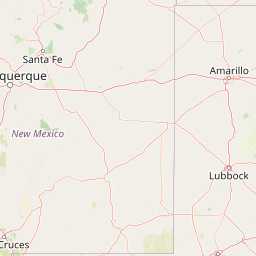
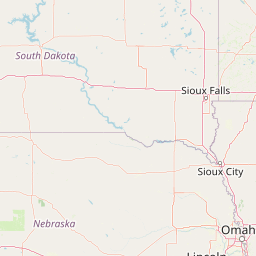
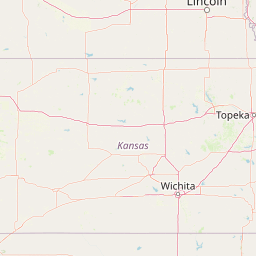
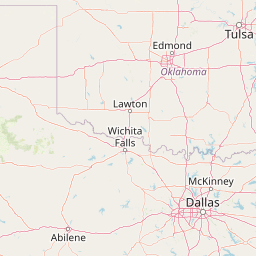
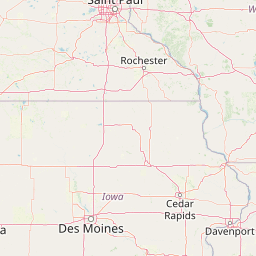
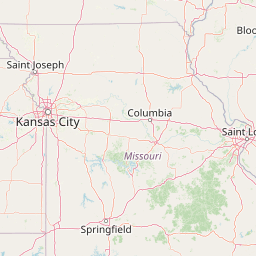
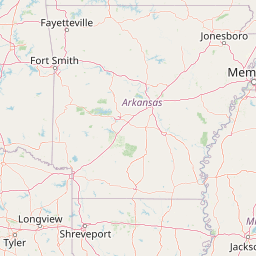
Set your reporting location to see which towns fall inside the circle.
Towns within 300 air miles. Numbers are air miles from the pin to the town center, rounded for display. Your delivery door can sit miles from the center.
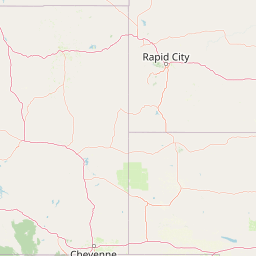
Drag to pan. Use + / − to zoom. With the map focused, arrow keys move and Enter places a pin at the crosshair.
49 CFR 395.1(e)(1) · Short haul
No logbook, if every one of these holds that day
- Stay within 150 air miles (172.6 statute miles) of your normal work reporting location.
- Return there and get released within 14 consecutive hours of coming on duty. A driver-salesperson has a separate provision.
- 10 consecutive hours off between property-carrying duty periods; 8 hours for passenger-carrying drivers.
- Your carrier keeps time records for 6 months: when you report, when you’re released and total on-duty hours each day. First-time or intermittent drivers also need the preceding 7 days’ total on-duty time.
This exception covers §395.8 duty logs and §395.11 supporting documents. Other hours-of-service limits still apply, including the 11-hour driving and 60/70-hour limits for property-carrying drivers. The 30-minute break rule does not apply to drivers using this exception.
§395.1(e)(2) · Non-CDL trucks
For property-carrying vehicles that do not require a CDL: the same 150-air-mile circle, return to your reporting location at the end of each duty tour, and 6-month time records. No driving after the 14th hour on 5 days of any 7, nor after the 16th hour on 2 days of any 7, measured from coming on duty.
This replaces the §395.3(a)(2) 14-hour limit. The 11-hour driving and 60/70-hour limits still apply. You cannot combine it with (e)(1), the sleeper-berth provisions in (g), or the 16-hour exception in (o).
The day you leave the circle
If you exceed the radius or no longer meet your exception’s conditions, you need a record of duty status for that day. Eligibility is day by day, so tomorrow may be short haul again.
The ELD exception allows paper logs when you need a log on 8 days or fewer in any rolling 30-day period.
Paper is allowed. 5 more log days fit under the 8-day exception in this rolling 30-day window.
Read §395.8(a)(1)(iii) ↗Air miles are not road miles
- 1 air mile
- 1 nautical mile · 6,076 ft · 1.151 statute mi
- 150 air miles
- 172.6 statute miles
- 100 air miles
- 115.1 statute miles
- Measured
- Straight line from the reporting location
- Measure from the terminal or yard you report to and are released from. Not head office, not home unless home is the official reporting location.
- Report to different terminals on different days? Each day’s circle is around that day’s terminal.
- A drive-time or road-mile map is not the boundary. A 172.6-mile road trip can be well inside. Total miles driven are not the test; every point of the trip must stay within the circle.
- Agricultural hauls have a separate exception in §395.1(k), measured from the commodity’s source during state planting and harvest seasons.
Distances use WGS84 geodesics. Address matches and town centers are estimates; confirm the pin at the actual location. Checked against eCFR §395.1 on Oct 14, 2026. Not legal advice; the regulation text controls.
Read §395.1 ↗